
Fintech digital banking refers to the use of advanced technologies such as mobile apps, artificial intelligence (AI), and automated services to deliver financial products and manage accounts. In Brazil, these platforms have influenced how individuals and businesses access banking, process payments, and monitor their finances. The integration of innovative tools has altered conventional banking models, leading to more adaptive and flexible banking experiences.
Modern fintech banks in Brazil commonly offer online-first or app-based account opening, digital payments, and AI-powered customer support. These services can cater to urban and remote regions alike, increasing banking penetration and efficiency. Unlike traditional banks, fintech banks in Brazil may focus on lower overhead and competitive fee structures, although costs can vary by service tier and provider.
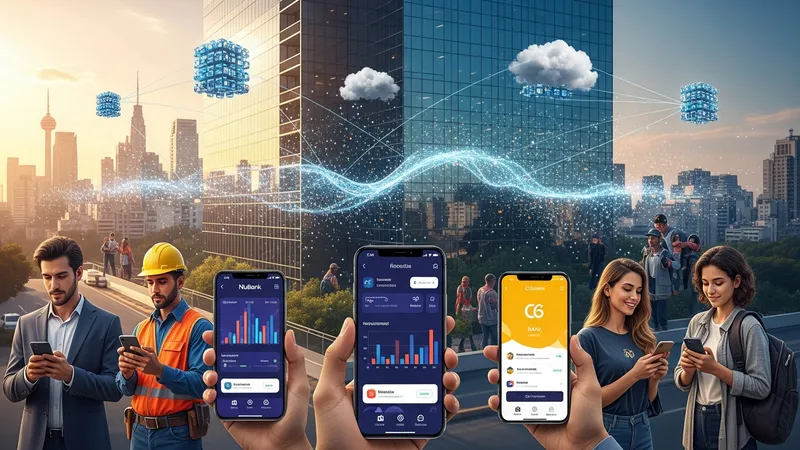
Key aspects of fintech digital banking in Brazil include simplified onboarding and remote account access. Many platforms enable customers to register and verify their identity through smartphones, which typically reduces paperwork and speeds up usage. This has become especially relevant in regions where physical branches are limited.
Security enhancements, such as biometric authentication and AI-driven fraud monitoring, are frequently implemented by leading Brazilian fintech banks. These tools can help detect suspicious behavior and prevent unauthorized activity, although users are generally advised to stay informed about security best practices supported by each provider.
Automation within fintech digital banking in Brazil may streamline recurring payments, savings plans, and transaction categorizations. This helps individuals and businesses monitor expenditure, set financial goals, and better understand cash flow through interactive app dashboards. These conveniences reflect ongoing trends in financial technology adoption across the country.
Costs for fintech digital banking services in Brazil tend to vary according to the type and complexity of the chosen services. While basic accounts are often advertised with no monthly fees, transactions such as wire transfers, currency exchanges, or specialized card features typically incur separate charges. Users are encouraged to review official fee charts for greater clarity.
In summary, fintech digital banking in Brazil harnesses technological advancements to modify access and management of financial services. The following sections examine core components and considerations of this sector in greater depth.
Mobile applications are central to fintech digital banking in Brazil, serving as the gateway for most interactions. These apps typically enable users to open accounts, monitor balances, and pay bills directly from smartphones. Providers such as Nubank and Banco Inter often update their apps to include functionalities that respond to evolving user demands and regulatory requirements.
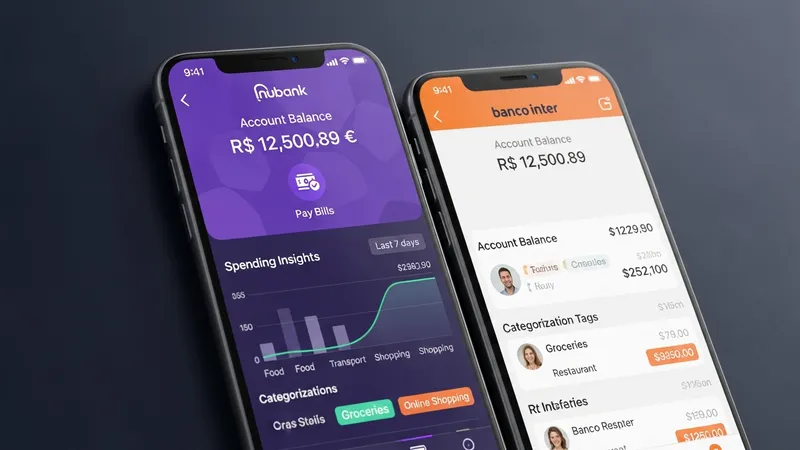
Personalization is a frequent theme, with apps offering tailored notifications, spending insights, and targeted educational content. Many Brazilian fintech banks have introduced features like transaction categorization and financial health indicators, which can help users better interpret their own activity. While features may differ by provider, both personal and business customers benefit from data-driven management tools integrated into the app experiences.
Security within mobile apps commonly involves multi-factor authentication, including facial recognition or fingerprint scanning. These measures work with backend systems to provide layered protection, reducing risks associated with account compromise. Additionally, some banks use notification systems to alert customers of unusual transactions in real time.
Accessibility improvements ensure mobile apps are usable by a broad segment of the population in Brazil. Fintech platforms invest in local language support, screen reader compatibility, and offline notification features to reach individuals across varying connectivity levels. This approach helps promote digital inclusion and expands financial access nationwide.
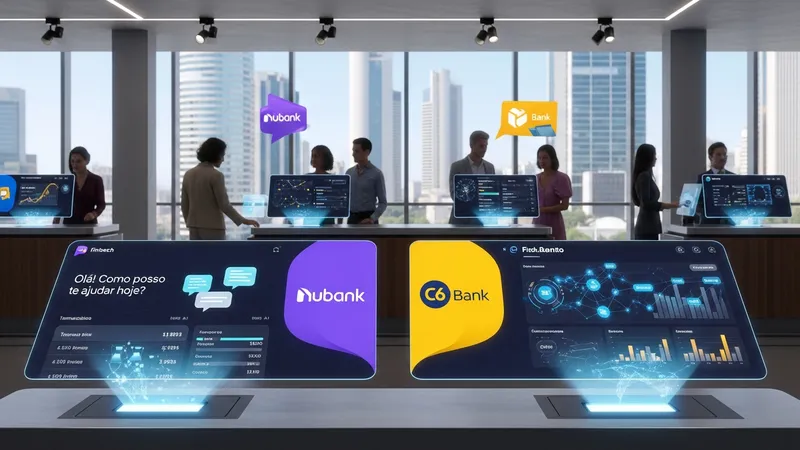
Artificial intelligence (AI) is increasingly integral to fintech digital banking platforms in Brazil. AI technologies can automate routine customer service tasks, such as answering queries about account balances or transaction status. Chatbots employed by organizations like Nubank and C6 Bank are designed to resolve user requests promptly, supporting both efficiency and operational scalability.
On the risk management front, AI algorithms may analyze transaction data to flag activities that deviate from typical patterns. This supports fraud detection and regulatory compliance, especially as digital payment volumes increase. Providers typically update their AI models based on ongoing data collection, aiming to refine accuracy while adhering to privacy guidelines mandated in Brazil.
Personal financial management is another area where automation and AI are evident. Many fintech apps in Brazil generate insights on spending trends or upcoming financial commitments using predictive analytics. These tools can inform users about their financial habits without providing explicit advice or recommendations, keeping the service informative and non-prescriptive.
Back-office operations also benefit from automation in digital banking, such as the processing of account verifications or the movement of funds. Providers can reduce manual workloads, which may lower operational costs and support faster service delivery. The growing prevalence of AI and automation is shaping the ongoing evolution of digital banking in Brazil.
The payment ecosystem within fintech digital banking in Brazil has undergone significant changes due to the rapid adoption of instant payment solutions and app-based transfers. Platforms such as Pix have become commonly used for peer-to-peer and business transactions, often integrated directly within fintech banking apps. These systems typically offer low-cost or free transfers, with limits and fees defined by each provider’s structure.
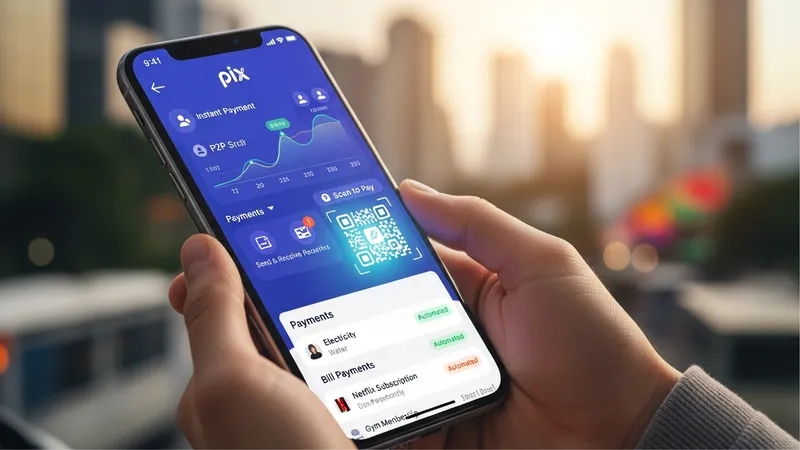
Fintech digital banks in Brazil facilitate seamless bill payments, mobile top-ups, and QR code transactions through their digital interfaces. Automation of recurring payments is a frequently utilized feature, providing convenience for users managing regular commitments such as utility bills or subscription services. These options contribute to time savings and more transparent financial tracking.
Account management tools continue to advance in sophistication, offering users granular control over spending limits, real-time notifications, and integrated budgeting. Some fintech banks in Brazil also enable users to freeze or unfreeze cards via the app, providing flexibility and immediacy in response to security concerns. The availability of multi-currency accounts is growing, although specialized services may incur premium charges.
Integration with digital wallets, e-commerce marketplaces, and third-party finance platforms is increasingly prevalent. This interconnected environment allows users to link multiple financial tools and centralize management within a single fintech app. However, compatibility, data privacy, and additional costs are considerations that users may wish to review before leveraging integrated features.
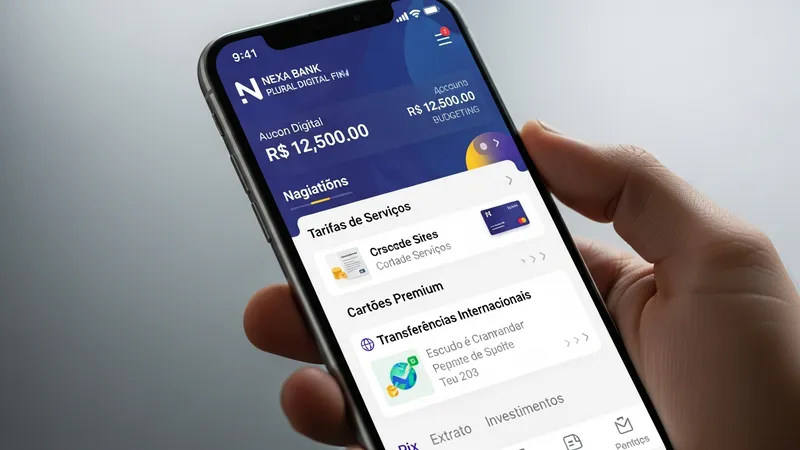
Fintech digital banking fees in Brazil are typically structured with transparency, though the specific charges may differ between platforms and tiers. Standard digital accounts may not require monthly maintenance fees, while certain specialized services—such as premium cards, international transfers, or investment platforms—typically carry extra costs. Up-to-date fee tables are provided on official bank websites and can help guide consumer comparisons.
Regulatory oversight in Brazil is managed by institutions like the Central Bank of Brazil, which establishes frameworks for fintech operations, customer protection, and data privacy. New entrants to the digital banking space must comply with these regulations before offering services. Regulatory updates are regularly communicated to adapt to the pace of technological development and market growth within the country.
Financial inclusion initiatives supported by both government and private fintech entities aim to broaden access to banking in Brazil. Digital banks have contributed to increased account ownership among historically underserved communities, aided by simplified digital onboarding and documentation processes. Accessibility for individuals with disabilities or those located in remote regions is an ongoing area of investment for many providers.
The evolution of fintech digital banking in Brazil will likely continue to focus on efficiency, enhanced user experience, and regulatory compliance. As users seek more tailored and integrated financial services, competition among both established banks and fintech firms may drive further innovation in the sector.