
Debit cards are widely used payment instruments that enable individuals to directly access funds from their bank accounts while traveling outside their home country. In Mexico, travelers may find debit cards useful for completing both in-person and online purchases, as well as for withdrawing local currency from ATMs. The process generally involves linking the card to a bank account, which deducts the transaction amount in real time, helping users manage their expenses. Mexican merchants and banking networks typically accept a range of internationally issued debit cards, often through systems such as Visa, Mastercard, and local providers.
Understanding how debit cards function in the context of travel in Mexico requires awareness of the supporting payment infrastructure and prevalent usage patterns. Most ATMs and point-of-sale terminals in Mexico are configured to accept foreign debit cards, but some may require chip-enabled or contactless cards for added security. It is common for travelers to explore local usage requirements, including maximum withdrawal amounts and accepted card types, before relying on their debit cards as a principal means of accessing funds.
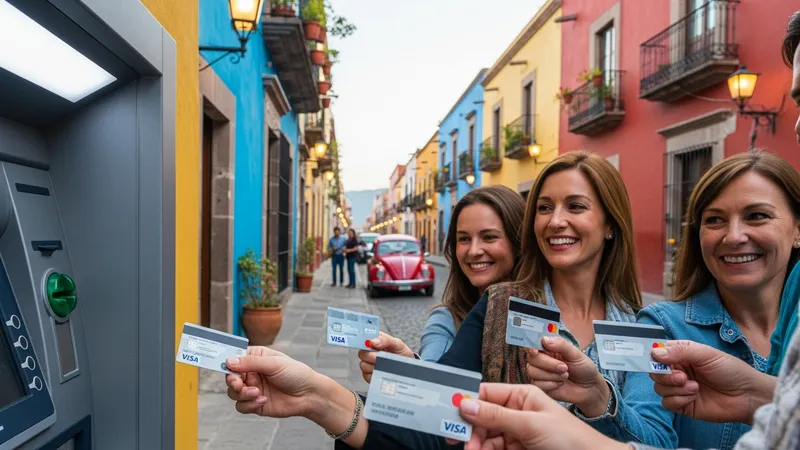
Using a debit card for ATM withdrawals in Mexico may offer convenience, especially when compared to carrying large amounts of cash. ATMs in urban areas and airports are commonly stocked with Mexican pesos and typically provide instructions in both Spanish and English. However, additional charges may occur from both the Mexican bank and the issuing bank abroad, making it important to consult official rates and possible international transaction costs.
Debit card payments at Mexican merchants can often be completed quickly, with most point-of-sale terminals supporting chip-and-PIN or contactless features for added transaction security. Nevertheless, it is important to confirm accepted card types before making purchases, as acceptance may vary by region or merchant size.
For digital purchases, debit cards linked to both Mexican and international networks are increasingly accepted on e-commerce and travel platforms. However, some websites might restrict the use of non-Mexican cards due to currency conversion or regulatory compliance protocols, so users may wish to verify policies in advance.
Exchange rates play a significant role in determining the final amount deducted from a traveler’s home account when using a debit card in Mexico. The applied rates can differ between card issuers and ATM networks, potentially influencing the true cost of each transaction. Maintaining awareness of these differences may allow travelers to monitor and manage expenditures while abroad more effectively.
In summary, debit cards enable effective access to funds and streamlined payments for those traveling in Mexico. They are broadly accepted at ATMs, point-of-sale terminals, and digital platforms, although transactional costs and acceptance parameters can differ. The next sections examine practical components and considerations in more detail.
ATM withdrawals remain a primary option for accessing local currency in Mexico with a debit card. Most ATMs in major cities and airports are connected to global banking networks, enabling travelers to withdraw pesos directly from their own accounts. Withdrawal limits can vary between bank networks, with daily caps usually ranging from $5,000 MXN to $10,000 MXN per card, depending on bank policy and machine configuration. It is common to encounter an additional fee at the Mexican ATM, which tends to be visibly disclosed during the transaction process.
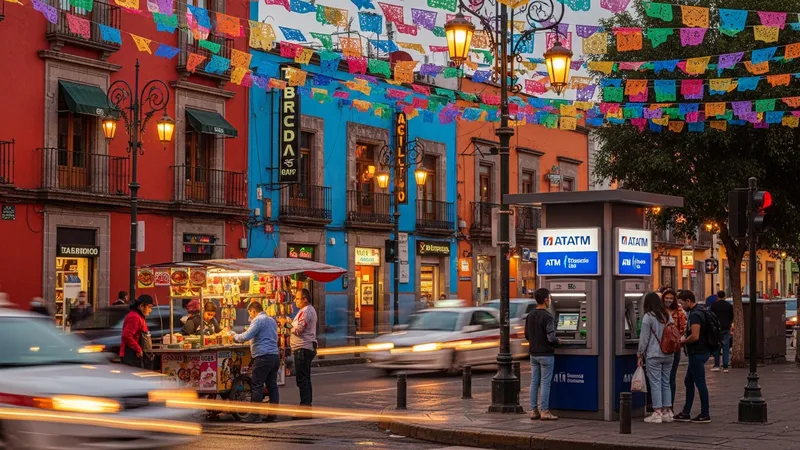
Mexican banking institutions often encourage ATM users to stay aware of safety measures, such as using ATMs in well-lit or monitored locations and shielding personal identification numbers during entry. Notices at ATMs are typically presented in Spanish, but many urban machines offer language options, including English, for international visitors. Selecting ATMs operated by established banks may offer additional customer support or access to broader international networks.
Some Mexican ATMs feature limits on both the number of notes dispensed and the maximum withdrawal per transaction. In tourist areas, popular bank branches like BBVA and Banorte are widely accessible, with their ATMs generally supporting card networks such as Visa and Mastercard. However, it is prudent for travelers to carefully review foreign bank charges in addition to Mexican ATM fees, as cumulative costs can be higher than anticipated.
It is typically advised—both by Mexican and foreign banks—to notify the issuing institution of intended international travel. This notification may help avoid automatic card blocks due to flagged foreign transactions, which can occur if a withdrawal is completed from an unusual location. Checking with the card issuer about daily withdrawal limits and potential international restrictions can further support uninterrupted access to funds.
Point-of-sale (POS) transactions using debit cards are common in Mexico, particularly in hotels, restaurants, supermarkets, and retail outlets across urban and tourist areas. Major card networks like Mastercard and Visa are frequently accepted, though smaller, rural merchants may rely more heavily on cash-based transactions and have more limited card acceptance.
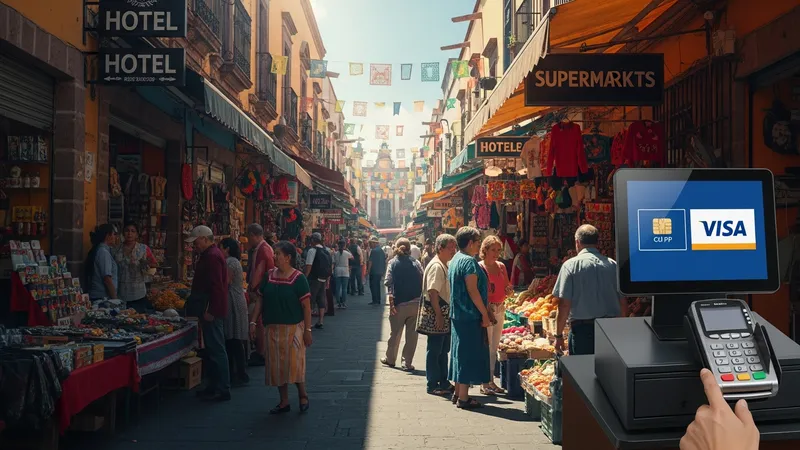
Many POS terminals in Mexico are equipped for chip-and-PIN transactions, aligning with international security standards. Travelers should ensure their cards feature EMV chips, as magnetic stripe-only cards are less widely accepted. Transaction confirmations generally occur via PIN entry or, in case of contactless cards, a brief tap over the reader.
While most card acceptance fees are absorbed by the merchant, some establishments may disclose an added surcharge, especially for low-value purchases or in locations with higher tourist traffic. This is permitted under Mexican law as long as the fee is displayed prior to payment. Service staff can often answer questions regarding surcharges or card acceptance policies at the point of sale.
Travelers may notice that some merchants request identification, such as a passport or driver’s license, when processing larger debit card payments. This practice aligns with risk-reduction guidelines for fraud prevention. It is generally advisable to keep identification available while making card-based purchases, though requirements depend on individual merchant policies.
The use of debit cards for digital purchases in Mexico continues to grow, with many e-commerce retailers, travel platforms, and ride-sharing services accepting both Mexican and internationally issued cards. Online payment is generally processed through secure portals that may request additional authentication, such as text message confirmation or entry of a unique verification code, to enhance security.
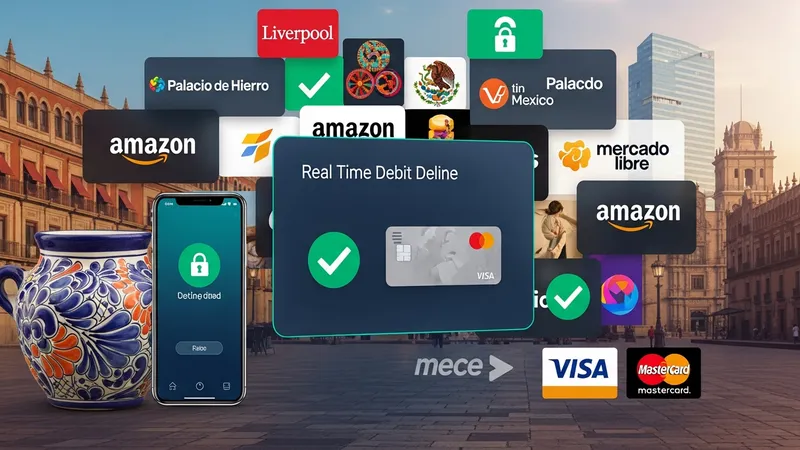
E-commerce platforms in Mexico frequently accept debit cards from the Visa and Mastercard networks, provided they are eligible for international transactions. Some platforms may restrict acceptance of non-Mexican cards due to fraud prevention or differing currency rules. Where accepted, digital transactions are subject to foreign conversion rates and any applicable international usage fees levied by the card's issuing bank.
Certain Mexican banking apps and mobile wallets allow users to manage their debit card transactions, monitor spending, and receive security alerts about digital usage. Features offered by major Mexican banks such as BBVA and Santander may include real-time transaction notifications and the ability to temporarily block or unblock the card via a mobile application.
Cardholders are typically encouraged to verify the security credentials of any website before entering card information. Official sources such as CONDUSEF provide further resources and guidance regarding secure digital transaction practices, including information about safe e-commerce platforms and how to report suspected fraudulent activity.
When using a debit card in Mexico, the total cost of each transaction is influenced by both the applicable exchange rate and any fees assessed by the involved banks. International card networks such as Visa and Mastercard set daily currency conversion rates, which may differ slightly from official government reference rates. Card-issuing banks may apply their own conversion margins, leading to minor variances in the final amount deducted from the account.
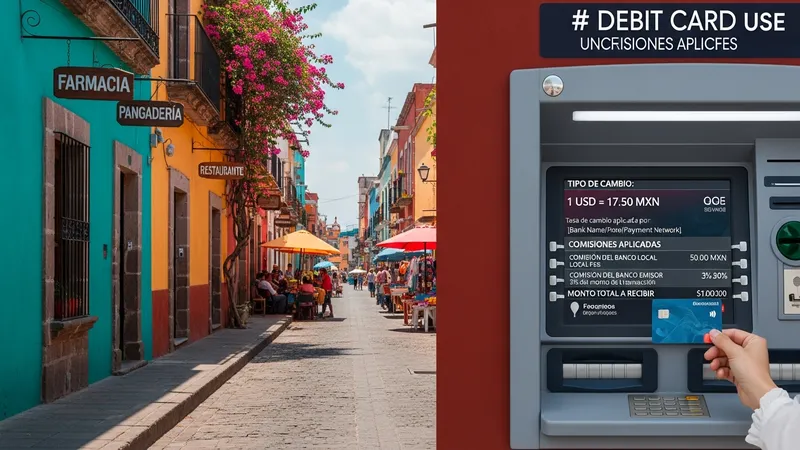
Fees assessed on cross-border debit card use typically include foreign transaction fees and ATM access fees. Mexican ATM operators may charge between $30 MXN and $100 MXN per withdrawal, and the cardholder’s bank may levy an additional international usage fee, often expressed as a percentage of the withdrawal or payment amount. Reviewing fee schedules before travel may help users understand typical combined charges.
Some banks in Mexico and abroad offer transparency tools that display estimated total costs prior to finalizing a transaction at ATMs or POS systems. These tools may present both the local ATM fee and currency conversion rate, allowing travelers to make informed decisions. Nonetheless, unforeseen circumstances, such as network outages or temporary policy changes, can affect cost predictability.
Monitoring account statements and transaction alerts provides insight into actual costs incurred during debit card use in Mexico. Bank-provided mobile applications and online platforms typically detail both the amount in pesos and the equivalent amount debited from the home account, promoting greater expense tracking while traveling. Using only secure and official banking interfaces can help ensure accuracy and personal data protection.